It started with one PC and a timer. My brother and I took turns playing Minecraft, thirty minutes each, until I decided the real fix was a second machine. To convince my parents, I had to know exactly what to buy. So at ten I started reading about processors, memory speeds, GPUs and VRAM.
By thirteen I was building my own, sourcing components one at a time from wherever I could find them, aiming for a machine that could handle both gaming and photo editing. Photography had become the other thing I couldn’t put down. That PC still sits in a corner at home. I keep it there. It’s where programming started for me.
Mathematics, physics and the natural sciences pulled at me equally, which felt like an odd combination at the time. I liked running experiments and I liked solving problems on paper, and I never had to choose between them. I finished my baccalaureate at eighteen with 18.83/20, which converts to a 1.1 in the German system, ranked 27th out of 25,598 students nationally.
That left two paths: medical school, or computer science abroad. My family is full of doctors. I wanted to build something that was mine, so I took the second one.
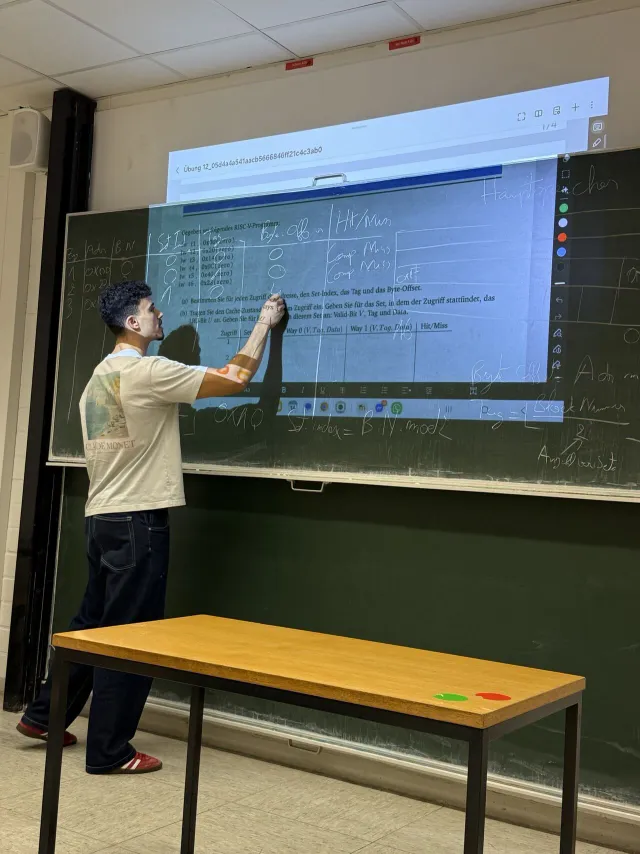
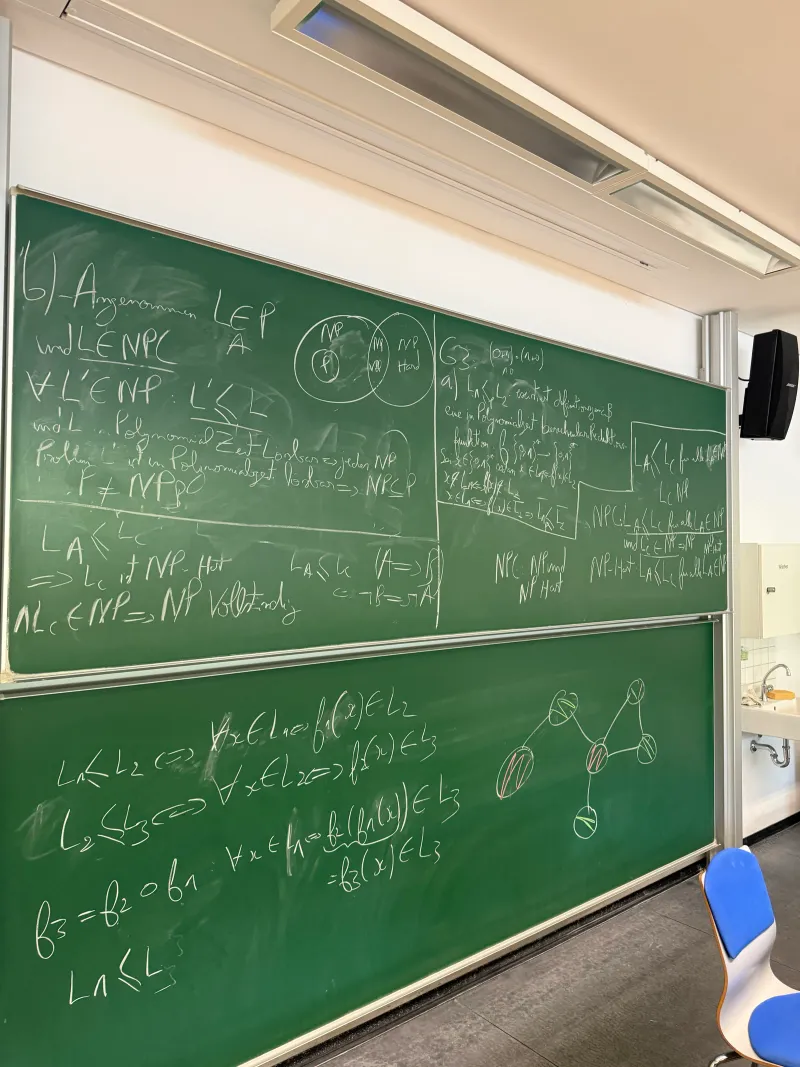
I arrived in Germany with a B1 in German and some pocket money. I worked in restaurants and at events, studied for the telc C1 exam in two months, passed it on the first attempt, and applied to TU Darmstadt that same summer. Four months after landing, I was studying computer science in my fourth language. I set one rule for myself: pass everything the first time. The beginning was hard. I adapted.
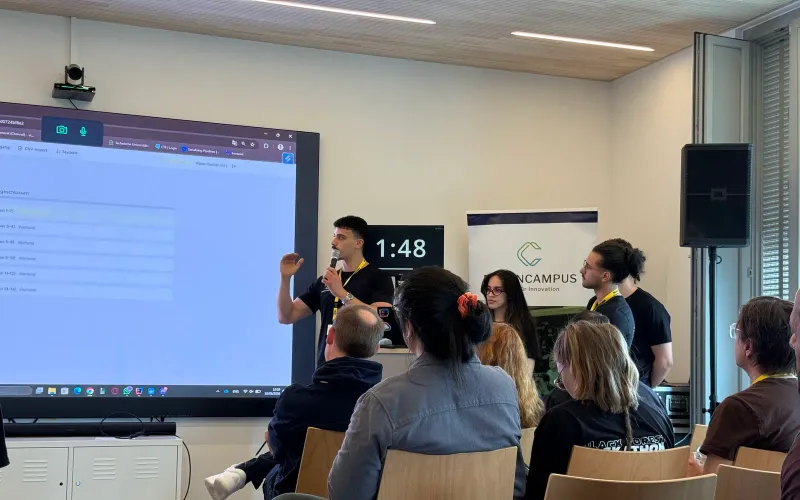
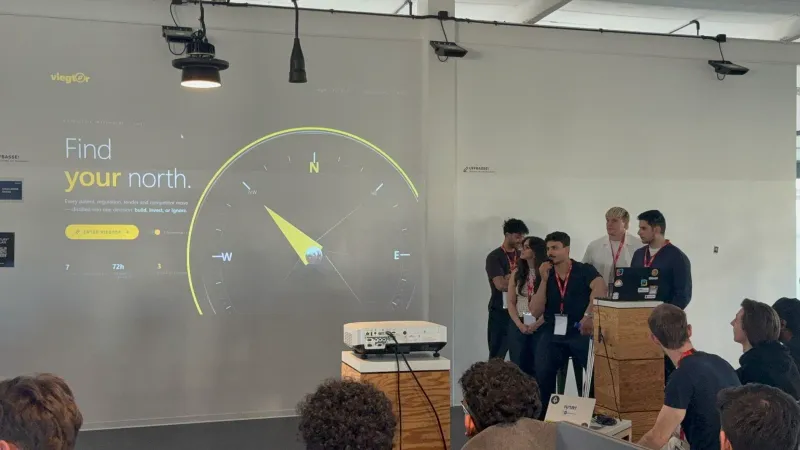
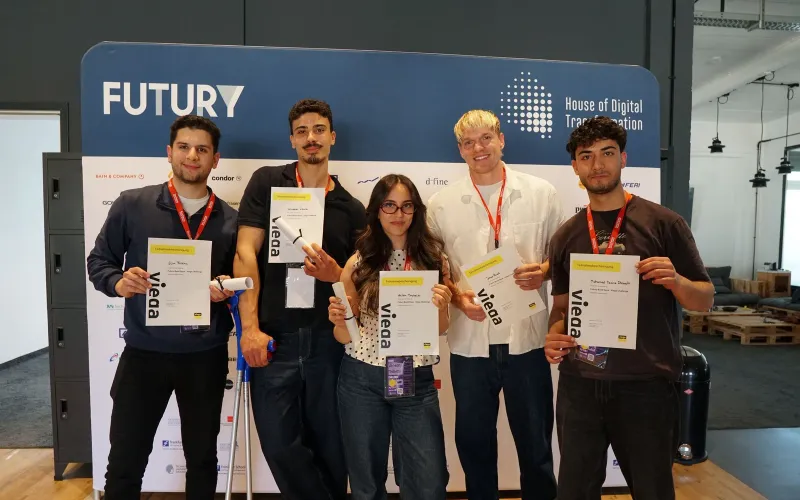
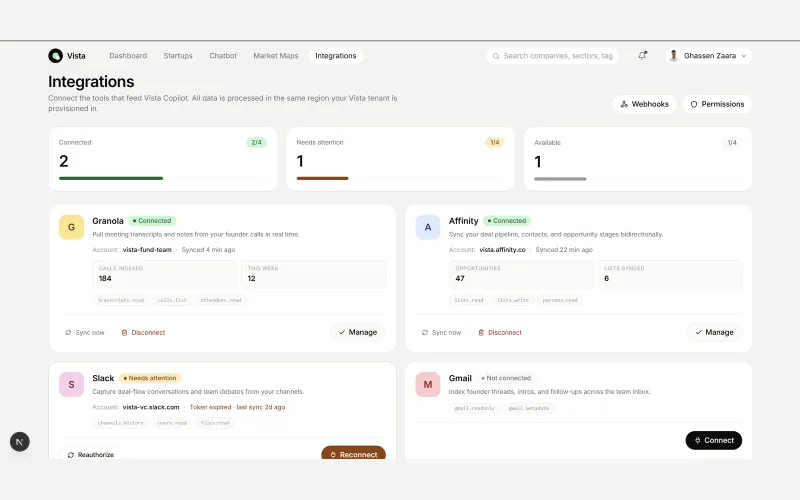
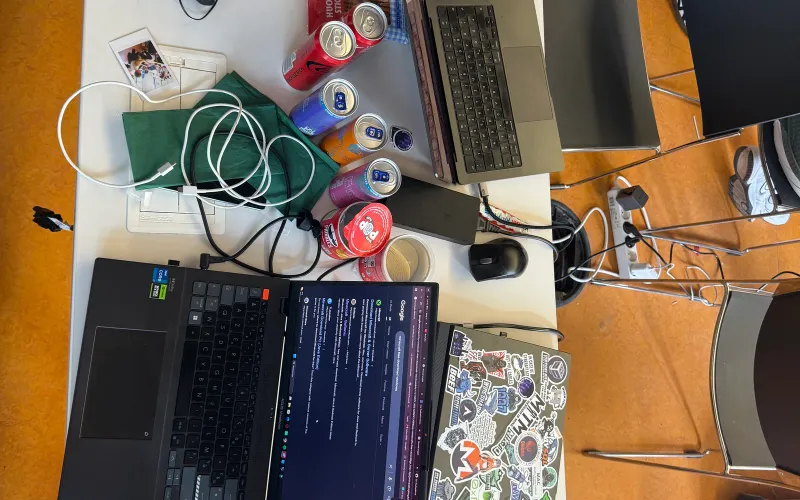
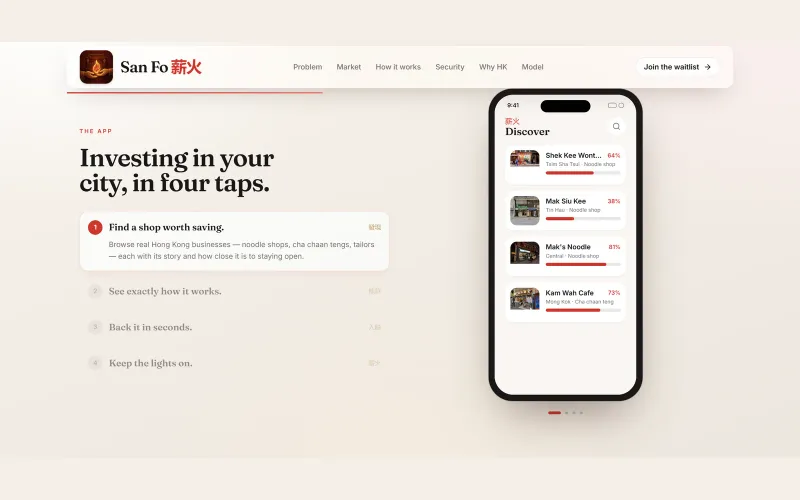
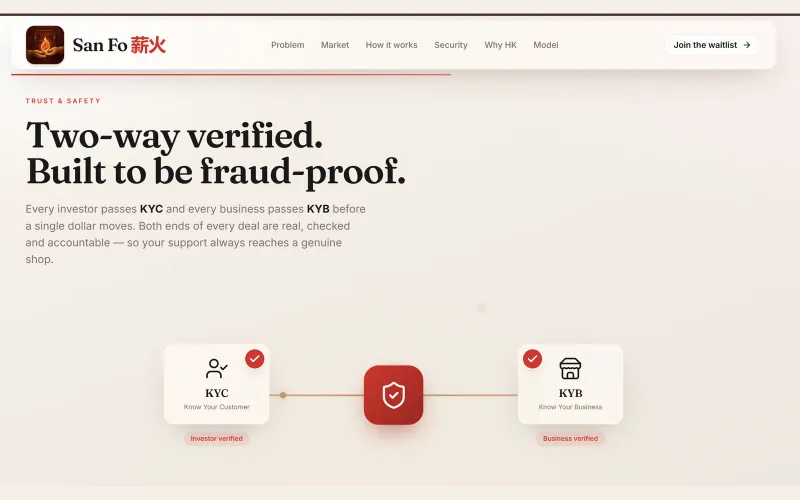
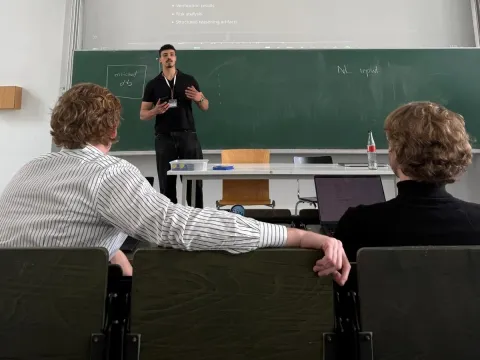
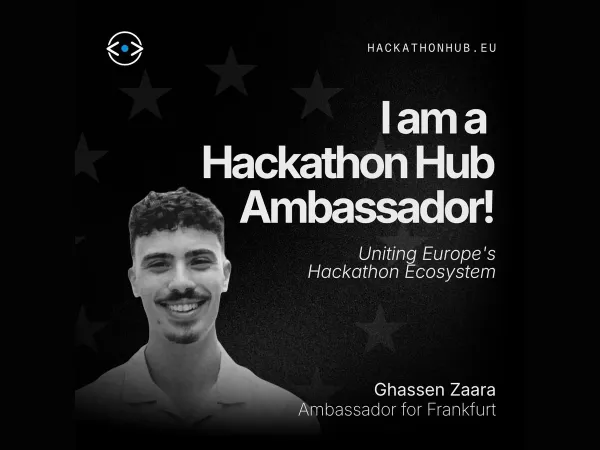
Since then I’ve found hackathons, and I don’t just enter them, I farm them. New teams, new people, and problems I would never have run into on my own. Next comes NLP research at Fraunhofer SIT.
The thread has never changed. I want to know how things work, and then I want to build them.